The Difference Between One-Time and Recurring Bill Payments on Payment Apps
The way we handle our monthly expenses has changed drastically over the last decade. Most people no longer wait for a paper statement to arrive in the mail before writing a check. Instead, we rely on a payment app to settle our debts with a few taps on a screen. This shift has made managing money much faster and more accessible for everyone.
When you use these digital tools, you generally face a choice between two distinct methods. You can either make a one-time payment or set up a recurring schedule. Both options have their own set of advantages and drawbacks. Understanding these differences is essential if you want to keep your finances organized and avoid unnecessary stress.
The Basics of One-Time Bill Payments
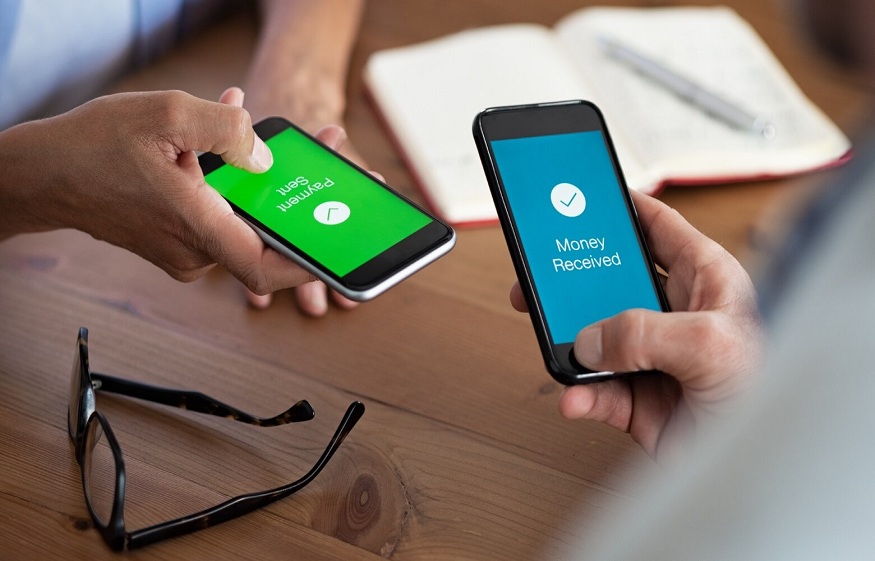
A one-time bill payment is exactly what it sounds like. It is a manual transaction where you initiate the transfer of funds for a specific invoice or debt. You log into your chosen payment app, enter the amount you owe, and confirm the transaction. Once the money is sent, the process is finished until you decide to make another payment in the future.
This method is highly popular for expenses that change from month to month. For example, your grocery delivery costs or a medical bill might not be the same every time. By using a manual approach, you ensure that you are only paying for what you actually used. It also gives you a chance to review the statement for any errors before the money leaves your bank account.
Many people prefer this style because it keeps them deeply connected to their spending habits. When you have to physically push a button to send money, you are more aware of where your cash is going. This awareness can be a powerful tool for those trying to stick to a strict budget. It prevents the “out of sight, out of mind” problem that often leads to overspending.
The Mechanics of Recurring Bill Payments
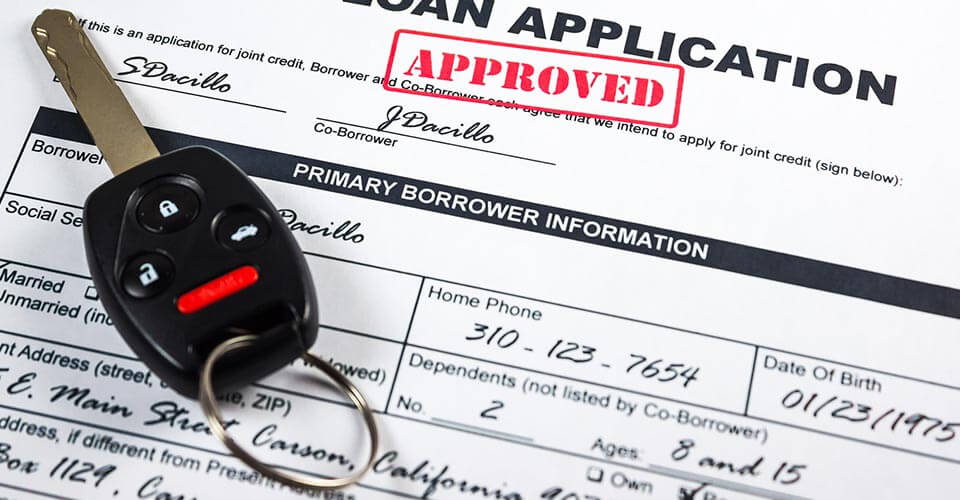
On the other side of the spectrum, we have recurring payments. This system allows you to authorize a service provider or a payment app to withdraw a set amount of money at regular intervals. You might set this up for your rent, your car insurance, or your favorite streaming service. Once the initial setup is complete, the process happens automatically without any further action from you.
Read More: Ethical and Sustainable Investing: How to Align Your Portfolio with Your Values
The primary benefit of this approach is convenience. Life gets busy, and it is easy to forget a due date when you have dozens of different responsibilities. Automation ensures that your bill payment is made on time, every time. This helps you avoid late fees and protects your credit score from the negative impact of missed payments. It is a set-and-forget strategy that saves a significant amount of time.
However, this convenience requires a high level of trust. You are essentially giving a company permission to take money from your account on a schedule. While this is generally safe with reputable providers, it does mean you might not notice if a price increases or if you are being charged for a service you no longer use. It requires a different type of monitoring to stay on top of your finances.
Comparing Flexibility and Control
The biggest difference between these two methods lies in the balance of control versus ease of use. One-time payments offer maximum control. You decide the exact day the money leaves your account. If you are waiting for a paycheck to clear, you can hold off on making the payment for a day or two. This flexibility is vital for people who do not have a consistent or predictable income.
Recurring payments trade that control for efficiency. While you can usually choose the date the withdrawal happens, it is much harder to change it on the fly. If your financial situation changes suddenly, an automated payment might trigger an overdraft fee if you do not have enough funds in your account. This makes automation better suited for those with a stable cash flow and a healthy financial buffer.
Another factor to consider is the ease of cancellation. Stopping a one-time payment is simple because you just do not initiate the next one. Stopping a recurring payment often requires you to log into a portal or contact a company to revoke your authorization. If you are testing out a new service, starting with manual payments is often the smarter move until you are sure you want to commit.
Managing Your Monthly Cash Flow
Your choice of payment method can have a big impact on how you perceive your wealth throughout the month. When you use a payment app for manual transactions, your bank balance fluctuates in a way that you can see and feel. You know exactly when money leaves your account because you were the one who sent it. This can make it easier to adjust your daily spending in real time.
With recurring payments, your balance can drop unexpectedly if you lose track of your schedule. If five different subscriptions all renew on the same day, you might find yourself with less money than you thought for other essentials. To make automation work, you need to be very organized. Many people find it helpful to keep a calendar of when their automated bills are scheduled to go out.
Predictability is the goal for most healthy budgets. If you know that your fixed costs are handled automatically, you can focus your mental energy on managing your variable expenses. This hybrid approach is often the most effective way to stay balanced. You automate the bills that stay the same and manually pay the ones that change.
Security and Error Prevention
Security is a common concern when using any digital payment app. One-time payments are generally considered very secure because the transaction only happens when you authorize it. There is no ongoing link that allows for future withdrawals. This limits the risk of unauthorized charges if a service provider has a billing error.
Recurring payments are also secure, but they carry a different kind of risk. The risk here is usually human error or administrative mistakes. A company might accidentally bill you twice, or they might continue to charge you after you have tried to cancel. While these issues can usually be resolved, they take time and effort to fix. You have to be diligent about checking your bank statements to ensure the automated amounts are correct.
On the flip side, manual payments are prone to a different type of human error: forgetting. Forgetting to pay a utility bill can lead to service interruptions or hefty reconnection fees. In this sense, the security of a recurring payment is the security of knowing your lights will stay on and your internet will keep working without you having to remember a specific date.
Choosing the Right Method for Your Lifestyle
Deciding between these two options does not have to be an all-or-nothing choice. In fact, most people find that a combination of both works best. You might choose to automate your mortgage or rent because those amounts never change and the consequences of being late are severe. At the same time, you might prefer to manually pay your credit card bill so you can decide how much extra to put toward the balance each month.
The best approach depends on your personality and your financial habits. If you enjoy looking at your numbers and stay on top of your mail, one-time payments give you the oversight you crave. If you find financial tasks boring or stressful, automating as much as possible can take a huge weight off your shoulders. The key is to use the technology in a way that serves your goals.
Read More:Real-Time Updates on Upcoming IPO Subscriptions
Ultimately, a payment app is a tool designed to make your life easier. Whether you prefer the total control of manual entries or the seamless nature of automation, the goal remains the same. You want to ensure your obligations are met while keeping as much of your hard-earned money as possible. By understanding the mechanics of both one-time and recurring payments, you can build a system that works perfectly for your unique needs.