where the mountains test you softly: dreams, fear, and the long walk above the clouds
There is something strange about big mountains. They don’t shout. They don’t rush you. They just stand there, silent, cold, almost patient. And somehow, that silence pulls people from across the world. not because it is easy. It’s never easy. But because deep inside, many of us carry this quiet wish—to walk higher, breathe thinner air, and see what kind of person we become when comfort disappears.
Some journeys are treks. Some are climbs. Some are a confusing mix of both. Island Peak climbing, Lobuche Peak climbing, Mera Peak climbing, and the Everest Three Passes Trek—these are not just adventures; they are long conversations between you and the mountains.
Island peak climbing—where confidence meets reality
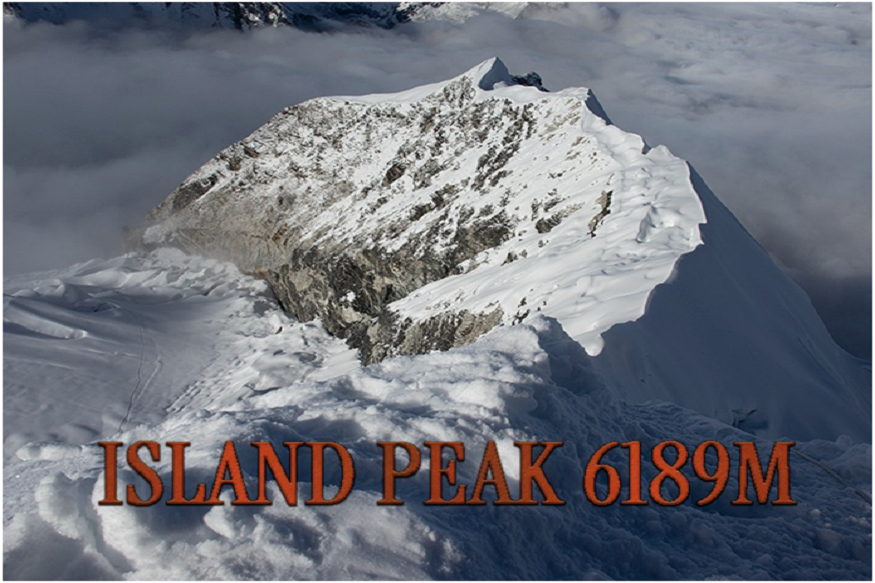
Island Peak sounds friendly when you first hear the name. almost playful. But once you stand in front of it, surrounded by ice and sharp ridges, you quickly understand—the mountain has its own personality.
This climb is often chosen by trekkers who want their first taste of real mountaineering. not just walking trails, but ropes, crampons, a harness, and the whole experience. It feels like stepping into another world. Suddenly you are not only a trekker; you are something more. or at least trying to be.
The approach itself is already emotional. You pass through familiar Sherpa villages, prayer flags dancing in the cold wind, and stone paths worn by decades of footsteps. Everything feels peaceful, almost gentle. Then slowly, the terrain changes. Greener landscapes fade away. Rocks, glaciers, and ice begin to dominate the view.
Island Peak climbing is not extremely technical, but it is not simple either. There are crevasses to cross, steep snow slopes, and that final summit push, which feels longer than it looks. always longer.
The biggest challenge is not strength. Many people think it is about muscles. Honestly, it is more about breathing, patience, and rhythm. One slow step, then another. Your heart is beating louder than the wind. Fear appearing quietly, then disappearing again.
And when you reach the summit, something unexpected happens. It is not a loud celebration. It is silent again. wide, white, endless silence.
Lubuche Peak climbing—beauty mixed with seriousness
Lubuche Peak has this sharp, dramatic shape. From a distance, it looks elegant. Close-up, it feels intimidating. a mountain that doesn’t hide its difficulty.
Many climbers attempt Lobuche Peak climbing after gaining some trekking experience, often combined with Everest Base Camp routes. By then, you already understand altitude, cold nights, and aching legs. Still, Lubuche introduces a different level of seriousness.
The climb requires more technical comfort. fixed ropes, steep sections, and exposure that makes you aware of every single movement. One wrong step is not just a mistake; it can be dangerous. This awareness changes your mindset completely.
You move slower but also more focused. Every clip of a carabiner, every kick of a crampon into ice becomes important. Strangely, this intensity creates clarity. Daily worries and the noise of normal life—they feel distant, almost irrelevant.
The views during Lubuche Peak climbing are unforgettable. Ama Dablam rises like a sculpture. Everest appears proud and distant. glaciers stretching like frozen rivers. Everything looks powerful, yet strangely calm.
There are moments of exhaustion, yes. There are moments when doubt whispers, “Why am I doing this?” but mountains have this mysterious way of answering without words. a sudden sunrise. light touching snow. silence again.
Mere Peak Climbing—altitude’s quiet war
Mera Peak is often described as one of the highest trekking peaks. And that word—highest—changes everything.
Technically, Mera Peak Climbing is considered less complex than some other climbs. But altitude, altitude never negotiates. It doesn’t care how strong you feel at sea level. Up there, every breath is earned.
The journey to Mera itself is long and beautiful. forests, remote valleys, and landscapes that feel untouched. Fewer crowds, more solitude. You start feeling like you are truly entering wilderness, not just visiting.
As you gain elevation, the body reacts in unpredictable ways. headaches, heavy breathing, and strange fatigue. Some days you feel strong. The next morning, you feel like you never trained at all. This unpredictability becomes part of the story.
Summit day on Mera Peak climbing is mostly about endurance. long, gradual ascent over snowfields. No dramatic rock faces, no aggressive technical moves. just a steady, relentless battle with thin air.
Step. Breathe. Step. Breathe.
The summit rewards you with one of the widest panoramas imaginable. Everest, Lhotse, Makalu, and Cho Oyu—giants standing together like ancient guardians. You feel tiny. unbelievably tiny. yet strangely proud.
Everest Three Pass Trek—not just a trek, a full experience
Some adventures are climbs. Some are walks. The Everest Three Pass Trek is something else entirely. It feels like a long test of persistence, curiosity, and emotional stamina.
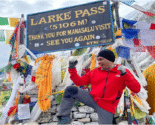
Crossing Kongma La, Cho La, and Renjo La is not simply about distance. It is about constantly adapting. high altitude, changing weather, rough terrain, and unpredictable conditions. Every pass feels like its own mountain.
There are days of pure magic. bright skies, sharp mountain views, and trails winding through glaciers and valleys. Then there are days of struggle. Snow, wind, exhaustion, and that quiet voice inside asking difficult questions.
What makes the Everest Three Pass trek special is the diversity of experience. You see famous landmarks but also hidden corners. busy trails, but also lonely stretches where only wind keeps you company.
Villages appear like small miracles after long walks. warm tea houses, simple meals, and tired smiles exchanged with fellow trekkers who understand exactly what you are feeling—because they are feeling it too.
It is not just a physical challenge. It becomes psychological and emotional. You learn patience. You learn humility. You learn how strong, and how fragile, you really are.
The invisible challenges no one talks enough about
People often focus on summit photos, dramatic landscapes, and success stories. What gets less attention are the quiet struggles.
cold nights where sleep refuses to come.
moments of homesickness that arrive unexpectedly.
fear that appears without warning, even on simple sections.
Mountain journeys are not constant heroism. They are filled with ordinary human feelings—doubt, discomfort, and vulnerability. And honestly, this is what makes them meaningful.
Because somewhere between fatigue and beauty, you begin to see yourself differently.
Why these adventures change people
There is a common thread connecting Island Peak climbing, Lobuche Peak climbing, Mera Peak climbing, and the Everest Three Passes trek. None of them promise comfort. None of them guarantee easy success.
Yet people keep coming.
Why?
Maybe because mountains strip away distractions. Life becomes simple. Walk, eat, rest, and breathe. The mind, usually crowded, becomes quieter. clearer.
Maybe because struggle gives meaning to achievement. Reaching a summit or crossing a high pass feels different when you have truly worked for it.
Or maybe it is something deeper, harder to explain. a sense of connection. to nature, to silence, to something older and larger than human noise.
Preparation—more than fitness
Many beginners think training means gym workouts only. Strength is important, yes. But preparation is wider than that.
Endurance, especially slow endurance, matters a lot. long walks. patience with discomfort. ability to move when tired.
Mental preparation is equally important. accepting uncertainty. understanding that not everything will go perfectly. learning to stay calm when plans change.
Because in the mountains, plans always change.
Fear—the quiet companion
Fear is present in all these journeys. Sometimes small, sometimes loud.
standing on a steep icy slope during the Lubuche Peak climb.
feeling breathless at high altitude on Mera Peak.
crossing a windy high pass during the Everest Three Passes Trek.
Fear is not weakness. It is awareness. It sharpens focus. It reminds you that mountains are powerful and deserve respect.
The goal is not to eliminate fear. It is to walk with it, without letting it control you.
The surprising joy of simplicity
After days or weeks in high mountains, something unexpected happens. Simple things start feeling extraordinary.
a warm cup of tea.
sunrise after a freezing night.
a comfortable bed, even if basic.
laughter with strangers who no longer feel like strangers.
Mountains somehow reset your appreciation for ordinary comforts.
Returning home—the strange transition
Coming back from such adventures feels odd. cities louder than before. routines faster. Daily problems sometimes feel smaller and sometimes feel strangely overwhelming.
But something stays with you.
a memory of silence.
a sense of perspective.
a quiet confidence that whispers, “You survived thin air, cold wind, and long climbs. You can survive this too.”
Final thoughts—the mountains never really leave you.
Not everyone needs to climb peaks. Not everyone needs extreme treks. But for those who feel that pull, that quiet curiosity, these journeys offer something rare.
Island Peak climbing teaches the first lessons of mountaineering.
Lubuche Peak climbing deepens seriousness and focus.
Mere peak climbing challenges your relationship with altitude.
The Everest three-pass trek stretches endurance and emotional resilience.
None of them are just trips. They become stories you carry for life.
Because mountains, once they enter your heart, never fully leave.
Contact Details
——————————–
Company address: Everest Trekking Routes Pvt. Ltd.
16 Khumbu, Nayabazaar, Kathmandu, Nepal
Mobile: +977-9843467921 (Rabin)
Email: info@everesttrekkingroutes.com
URL:– www.everesttrekkingroutes.com